











During winter break, I traveled to Colombia with Spiritual Life and Campus Ministry to learn more about its civil unrest and peace efforts. It was the first time I have traveled outside of the United States. I think it was one of the best places I visited first.
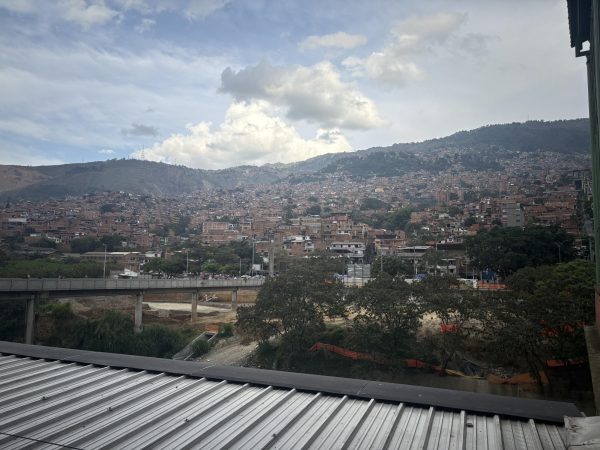
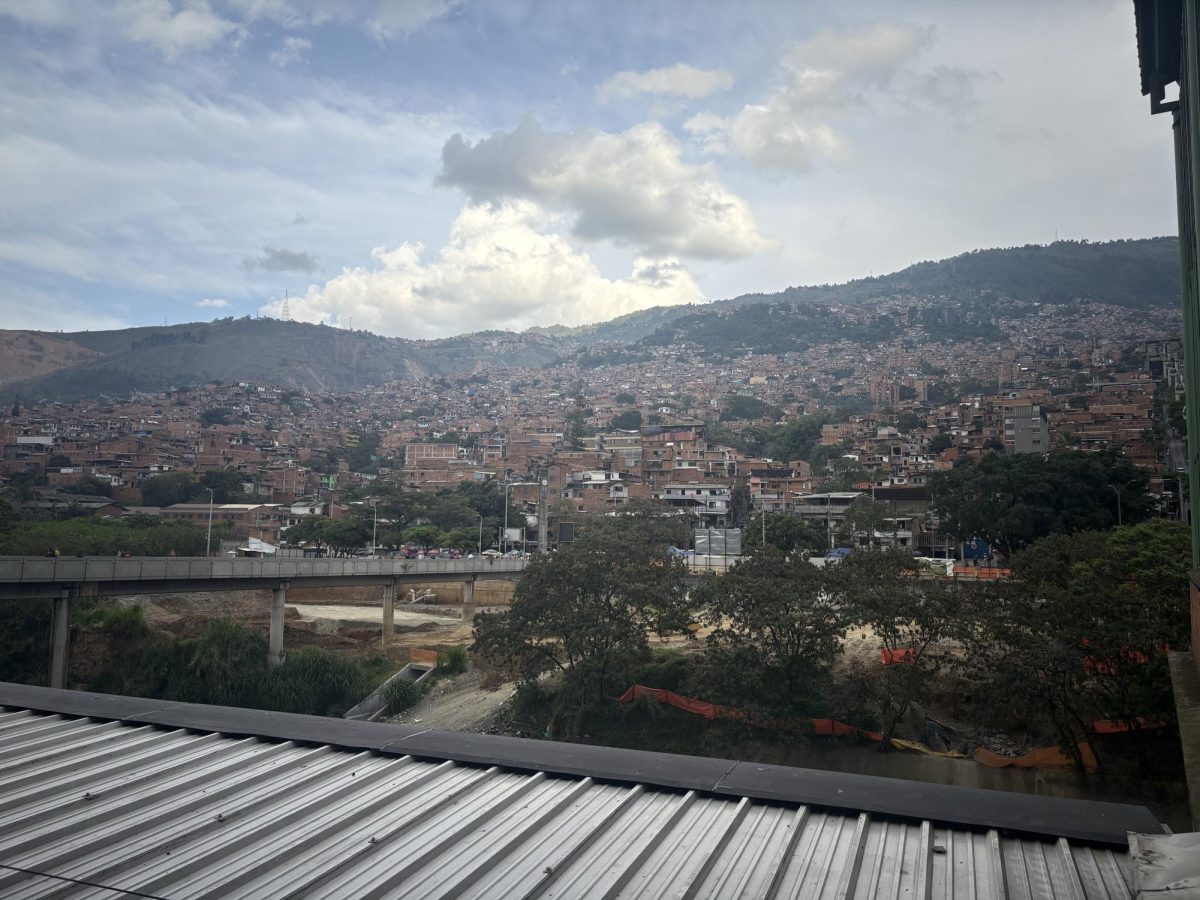
Most of our stay was in Medellin, a beautiful city in a valley surrounded by rolling hills. However, our travels also took us to Granizal and Manantiales, neighborhoods residing in the foothills. These neighborhoods were formed by people who were displaced due to the armed conflict within Colombia, flocking to the city for work and safety.
These were the places where I met some of the strongest and most inspiring people.
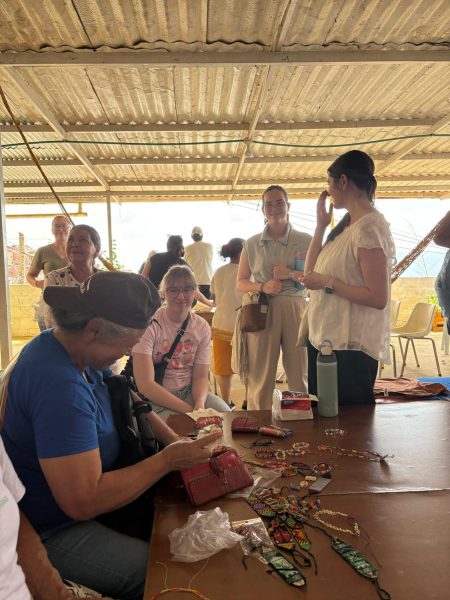
On our first full day in Colombia, we traveled up to Granizal to visit with Mujeres de Memoria (Women of Memory), a support group for displaced women. Their meeting place, the ground floor of a church, is filled with various art pieces.
One group showed us a collection of bowls, each representing the story of a woman. They had painted things that had made them happy before the conflict. Then, each had shattered their bowls and pieced them back together with gold, symbolizing how the armed conflict had caused them pain.
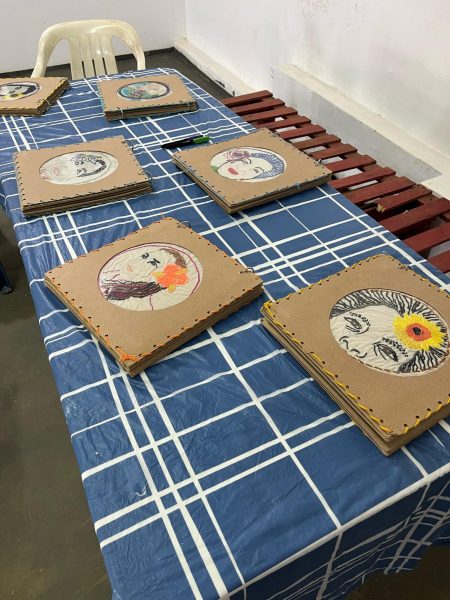
Embroidery was another form of storytelling expression, and alongside two of the walls were handmade embroidery tapestries and lanterns. Women had also created books with embroidered illustrations of their stories.
One showed us her own book, representing herself as a mother hen with her family as chicks. She told us how the armed men had taken away her husband and tortured him, eventually killing him. She lost her son as well. Yet, at the end of the book, she encouraged others to do good, regardless of who is on the receiving end.
These women shared so many stories. They shared their grief and pain so openly and freely with us. But they never shared their stories to earn pity. They presented their stories proudly, sharing with us both to inspire us and that we may share with others.
The following day, we traveled to Granizal again, all the way to the top of the mountain. We stopped at the sight of the landslide, where an entire neighborhood had been destroyed.
Don Gabriel, our tour guide, told us the tragedy had occurred due to a burst pipe. There is no running water in Granizal, so citizens began tapping the large pipe running to the city for their own supply.
At 3 a.m. in June of last year, Gabriel and his son heard loud sloshing of water over their tin roof. It was not until the morning that they understood the water had buried a neighborhood with land. He shared with us how he had worked with the community to recover bodies when help from the city was slow to arrive.
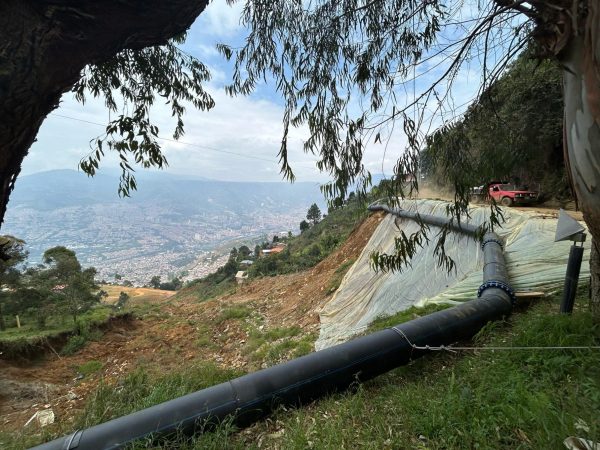
The government officially stated that 25 people had lost their lives from the tragedy. Don Gabriel told us that more than 100 people lost their lives because he knew who was living in the neighborhood when it was wiped out.
Despite the darkness, Gabriel told us that it had helped him find purpose. He hosts a Friday morning bible study in his home each week as a place to ask questions and share each other’s stories. Currently, he is working on converting a property to an activity center that will host technical classes for single mothers.
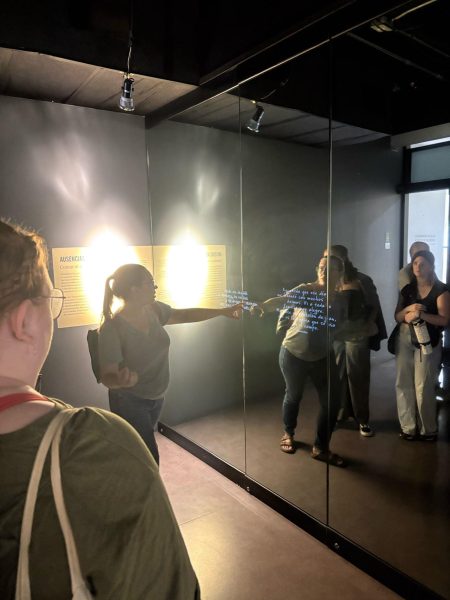
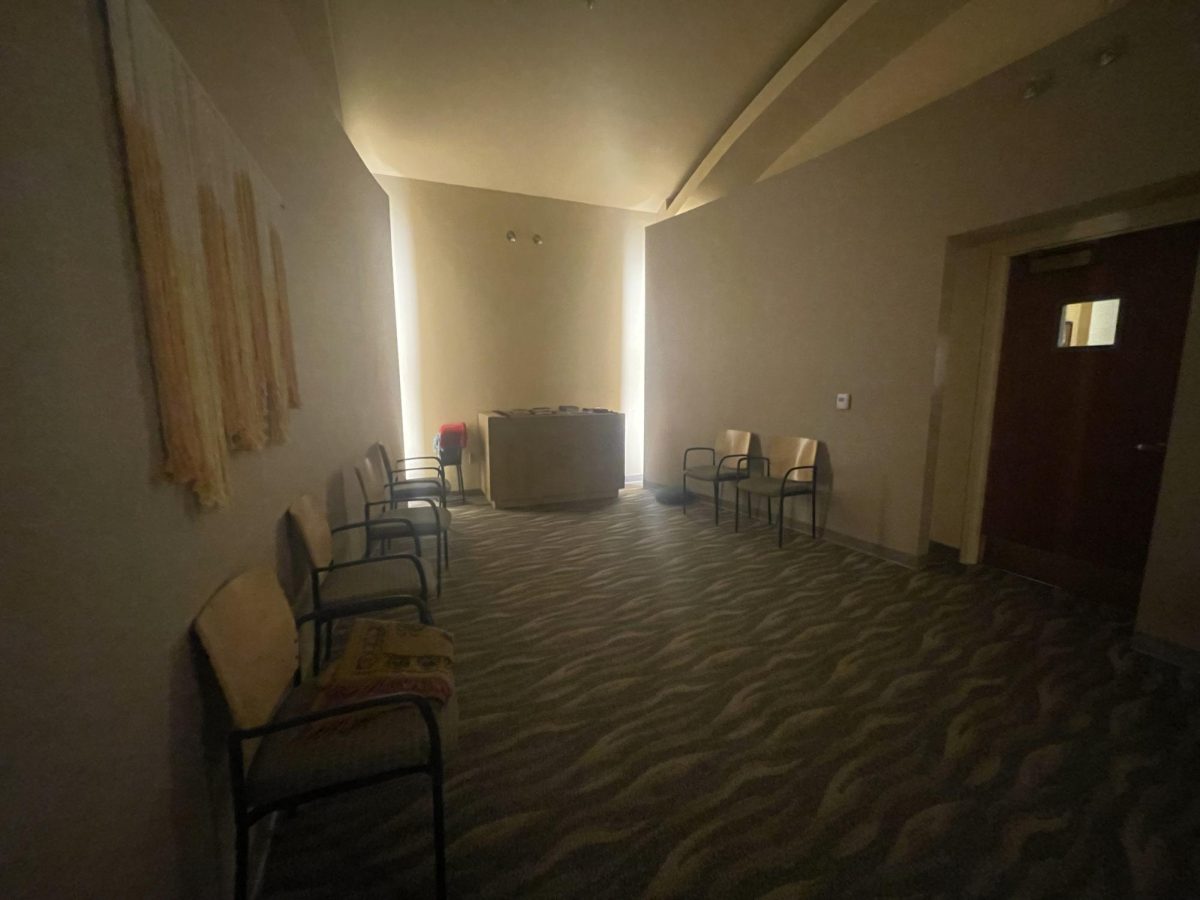
On our second to last day, we visited a museum called the Museum of Memory. Its exhibitions are dedicated to honoring those who went missing or died from the armed conflict. We saw interviews of people sharing their experiences, what the media was commenting on the conflicts and artwork/music created to comment on and protest the violence. The final exhibition was a room designed to look like heaven. Dark and full of stars, screens projected images and names of those who died in the conflict.
These are only a few of the stories and experiences we had in Colombia. Yet, they highlight the pain, perseverance and community amid tragedy. The conflicts within the United States do not look the same as the ones in Colombia. Yet they are just as messy, complex and painful.
How do we continue to insist, persist and never stop fighting for justice in our own country?
The answer is complex and individual to each person who ponders and reflects internally.
But what I do know, what my time in Colombia has shown me, is that once we stop listening, stop bearing the responsibility of sharing others’ stories and fail to critically analyze the stories we hear, we have already lost.
I told one of the Women of Memory family members their stories were incredibly inspiring to me because they were so hopeful despite all they had suffered.
“Hope is the last thing we should lose,” he told me.
I believe him. Perhaps hope is hard to find right now given all that is happening. But I believe Colombians have found glimmers of hope in each other through truly listening and loving each other. It is my hope that we can do the same.