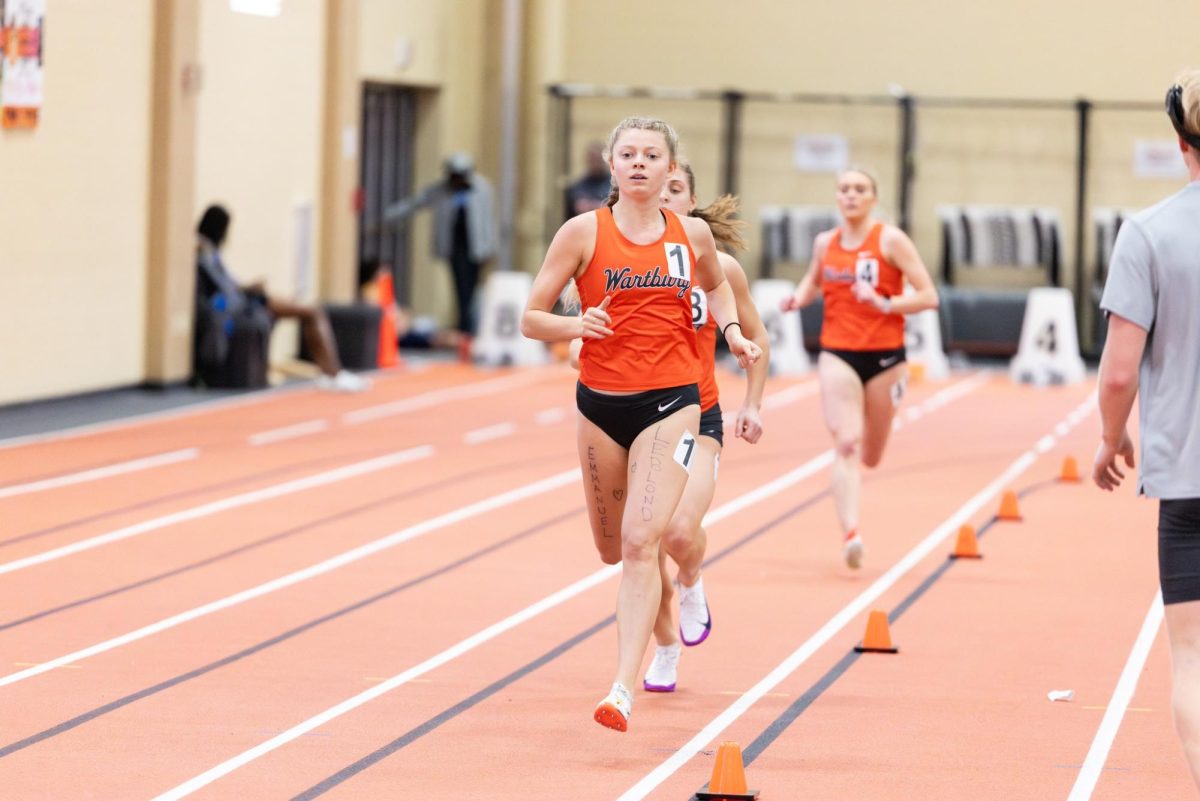























The pursuit of higher education can be a stressful journey. That can be further intensified by participating in sports. The time required to excel both in the classroom and on the field can be a major commitment for any student-athlete.
Some, however, choose to extend the possibilities and take on a second sport. So why face the challenge of being a collegiate multisport athlete? What motivates them to take it head-on?
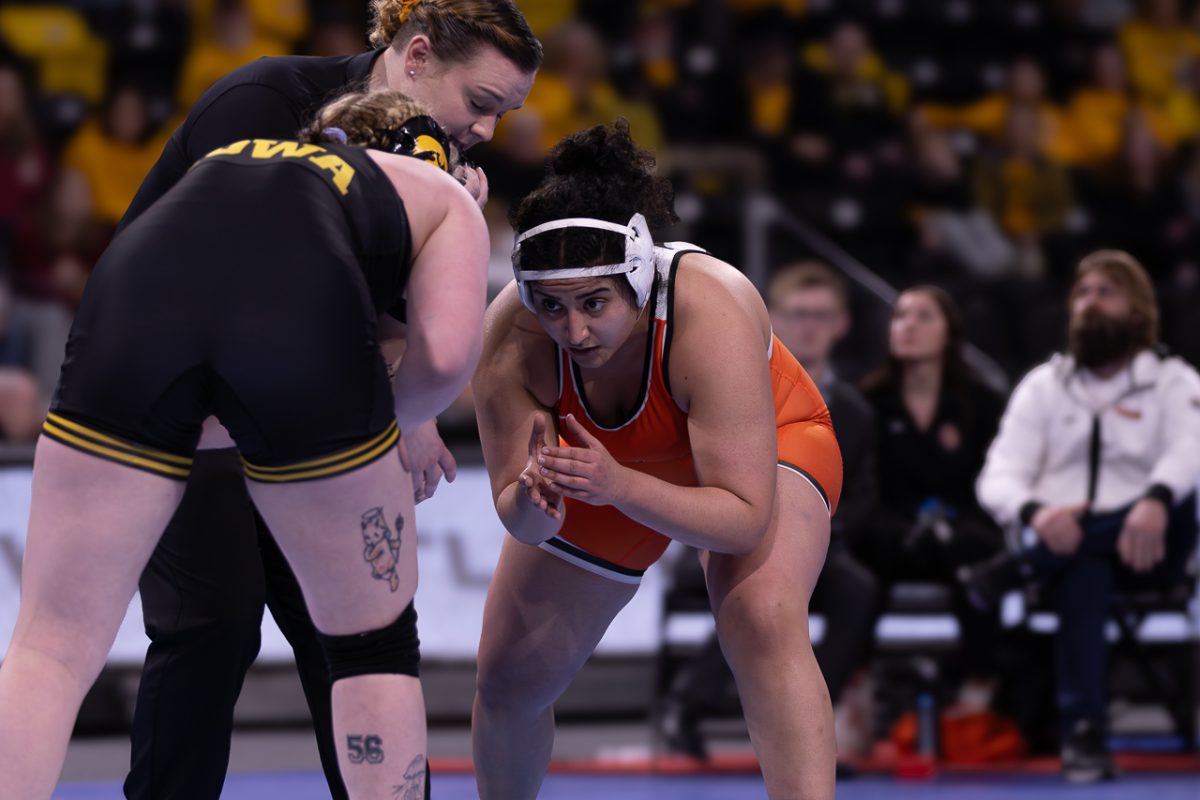
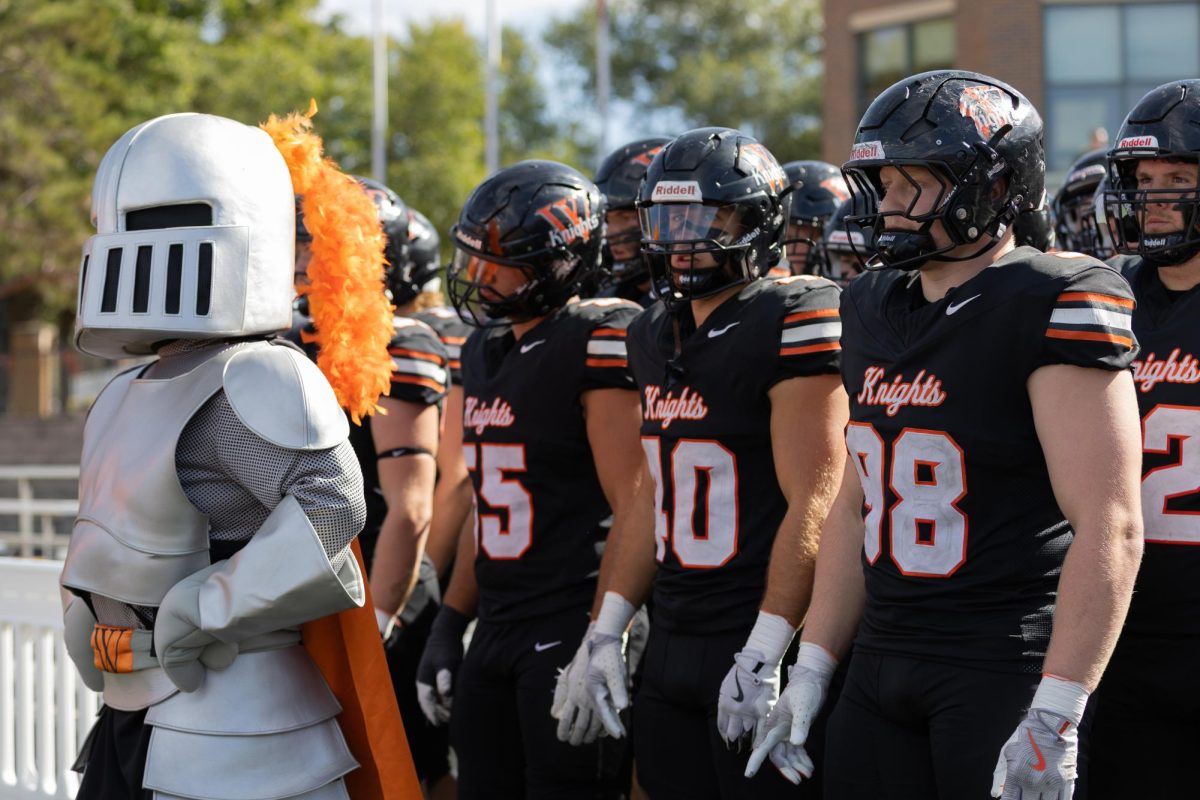
Third-year student Jake Walker is currently on the Wartburg Football team and the Wartburg Men’s Wrestling team. During high school, Walker was a year-round athlete, participating in football during the fall, followed by wrestling in the winter and track in the spring.
“My family was a wrestling household, and I loved football, so it just fit,” Walker says. “I found success and couldn’t really step back from either sport.”
At Wartburg, Walker continues to push himself by participating in both sports.
“I just grew up in that kind of family, pushing me to be better,” says Walker. “I was given the chance to do both football and wrestling, so I should take advantage of the opportunity to pursue both.”
When exploring the possibility of playing multiple sports, it is common to select sports built for similar body types.
“Football and wrestling seem to supplement each other,” Walker explains. “Obviously, wrestling is for its toughness, but there is also the hand-eye coordination and body control aspects. Football helped me learn leadership.”
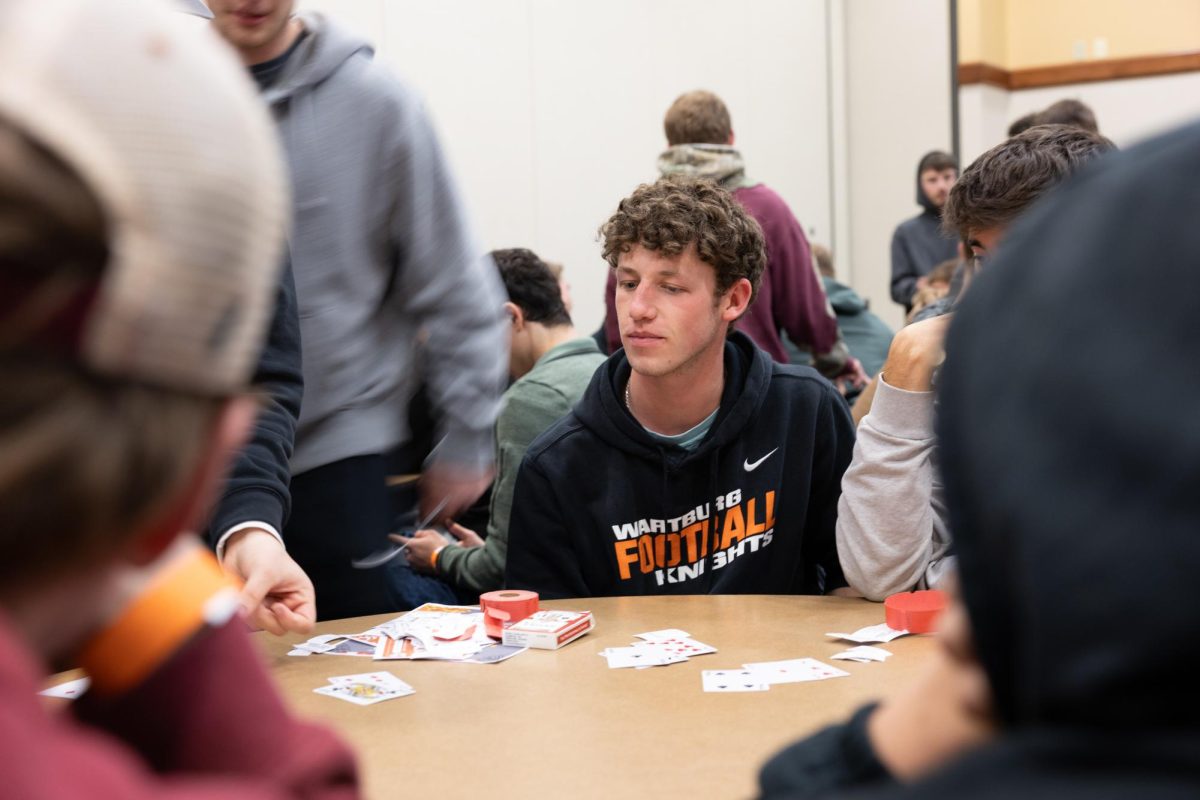
Being a multisport athlete can come with many benefits, but at the same time, there can be many drawbacks. Sophomore Indiana Ferguson is currently on the Wartburg Football team but participated in both football and wrestling as a freshman.
Ferguson, like Walker, is a long-time athlete. He participated in both football and wrestling from the age of 10, as well as track and golf in high school. However, during his experience as a multisport athlete at Wartburg, he recognized a few challenges.
“The biggest challenge I had was the transition between sports because you put in so much dedication to your sports, and when you put so much of your time into a certain thing, you can feel mentally drained,” Ferguson states.
Additionally, when putting effort into multiple teams, it can be difficult to maintain your love for both sports.
“It became tough to find that spark once one season ended, and you had to switch to the middle of a new season,” Ferguson says.
Ultimately, Ferguson decided it was in his best interest to solely focus on football, and he has seen his mentality improve ever since.
“It was a tough decision, but it has definitely been easier to focus on football and the offseason,” Ferguson says. “There has been more freedom, and I can mentally wind down.”
Walker, on the other hand, has been able to balance his schedule as a multisport student-athlete, and recommends being flexible and ready for change.
“Don’t get me wrong, the seasons overlapping is unfortunate, one sport will often get cut short by the other, but I feel you got to just keep rolling with the punches,” Walker says. “Keep doing what you can and don’t worry about what you can’t”.
Academics are another area that can be a challenge for multisport athletes. Having to split time between sports leaves very little time for doing schoolwork, but achieving good grades is essential for student athletes to maintain their opportunity to play.
Walker and Ferguson both utilize different approaches to balance their academic load with their athletic load. Walker’s approach is more physical.
“I make a checklist,” states Walker. “Get your checklist done. Move on to the checklist for tomorrow and so on.”
Ferguson puts more focus on his mentality to stay consistent and balanced.
“It’s all about just keeping your composure,” Ferguson states. “There is a lot of stress, but all you need to focus on is keeping your head on straight.”
Becoming a multisport athlete presents numerous challenges, but it also offers several significant advantages. The main benefit is the friendships one can make along the way. Practicing with the same people every day fosters a deep connection, whether as teammates, competitors or friends.
“You meet a lot of really great friends, like Jake, since we did both defensive line for football and wrestling together,” Ferguson shares.
The decision to take on multiple sports, especially in college, can be intimidating. There are many sacrifices required for success that hold back many individuals from embracing what they could become through sports. How does one know if it’s right for them?
“Know what your values are,” Ferguson states. “Do you love what you’re doing right now? Do you love playing sports with your brothers and truly love the grind?”
Walker shares a similar belief in the thought-process behind the commitment.
“If you’re thinking about doing it, give it a shot,” says Walker. “I have seen plenty of guys fizzle out in one sport, or the other, but I have had a great experience doing both and have loved every second of it.”
College is all about stepping out of your comfort zone and into new areas for growth. There are many ways of growing as a person, with sports just being one of them.
Being a multisport athlete is about having both the physical and mental toughness to keep moving forward. It takes a special type of person to push beyond their limits and achieve something greater, but the reward includes continuous, shared growth and friendships that last long after college.