

Should minors be allowed to access materials some may find offensive? Should public library decisions be transferred to the government instead of those who work there? These questions and many more have been discussed in the last year, both in Iowa and on a federal level.
In Iowa, several bills have been introduced, shot down, rewritten or pushed forward. Librarians are becoming fearful for what it could mean for their jobs.
Here is a short summary of each that has been introduced in Iowa, those that have been passed through the first funnel, and those that were not passed after introduction.
Inactive bills mean that they have not passed through either the senate or the house, and so cannot be passed in the upcoming year. However, some librarians warn that these bills could become amendments to existing bills that will be passed or that they could be brought up in the next legislative season. Bills that have passed the first funnel mean they have passed through either the house or the senate but did not make the other and now have a status like the inactive bills.
Inactive Bills
- SF2119 is an amendment repealing a section that says nothing in the law prohibits minors from accessing materials in educational programs, accredited schools or public libraries. It mentions obscenity and describes what obscene material looks like.
- HF2270 is a file that means public libraries can only receive funding if they follow the states’ performance standards, and they are no longer allowed to comply with private organization standards.
- SF2177 means that library providers are not allowed to offer minors digital services unless they adopt certain policies, specifically against what is considered to be obscene material.
- HF2136 states that library records of a minor must be released on request by a parent or guardian. This was an amendment to a prior bill that said those records could only be released in criminal or juvenile situations where library records could be relevant.
- HF2309 states that librarians are not allowed to give certain materials to minors without written parental consent and must check age when giving out materials. The parental consent is only valid for one year before it must be reinstated. A parent who finds a violation of this can bring civil action against a public library for fines anywhere from $,1,000 to $10,000. Willfully giving minors materials without parental consent is considered a criminal offense.
Bills that passed the first funnel
- HF2622 (formally HSB720) states that all policy, administrative, and financial power must be given to the jurisdiction of the location the library is in. Library boards turn into “advisory boards” that give suggestions to the city council, who can reverse any decision.
- HF2324 (formally HSB636) would restrict schools from partnering with public libraries, including services such as bookmobiles or library cards.
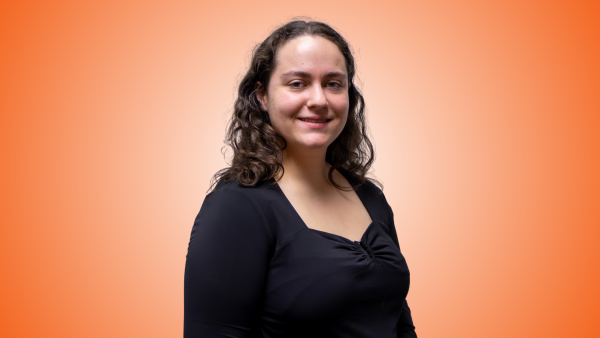
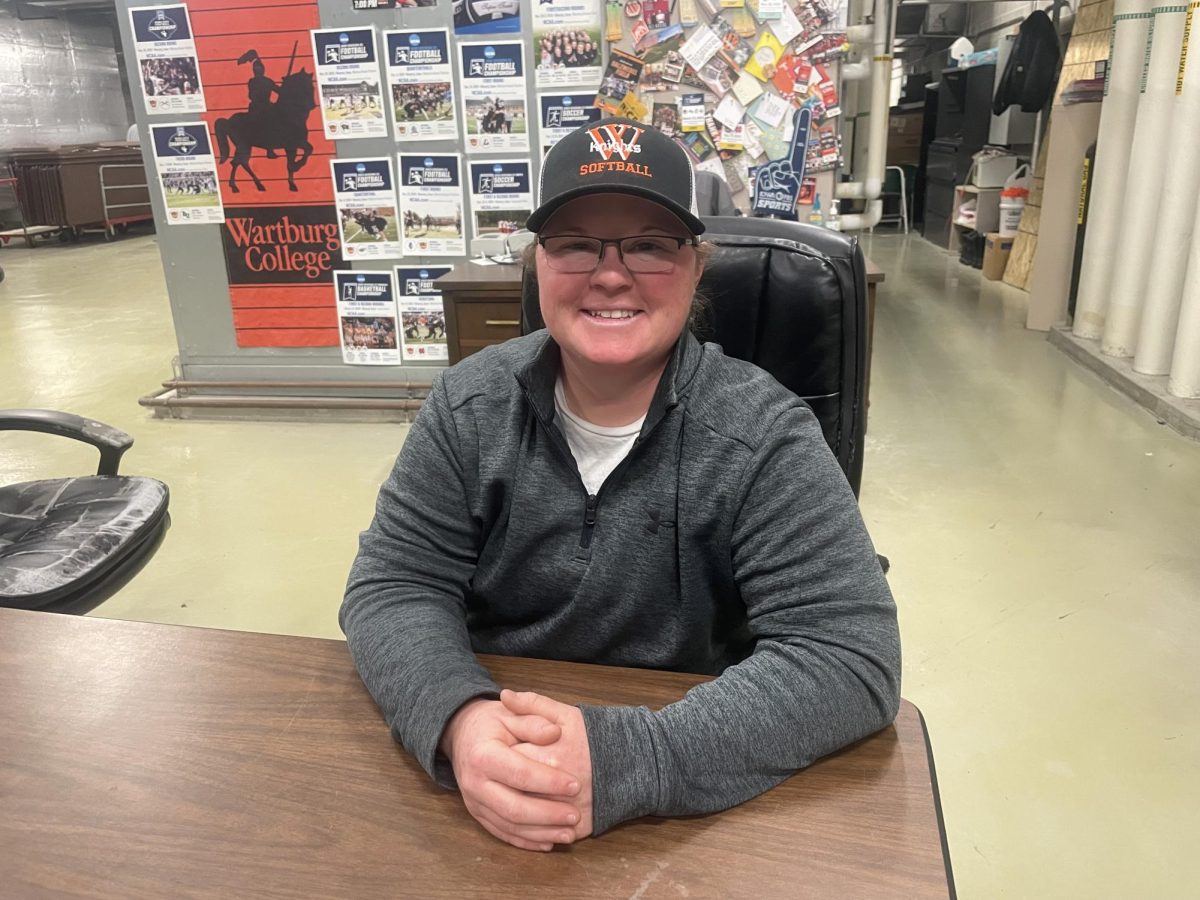
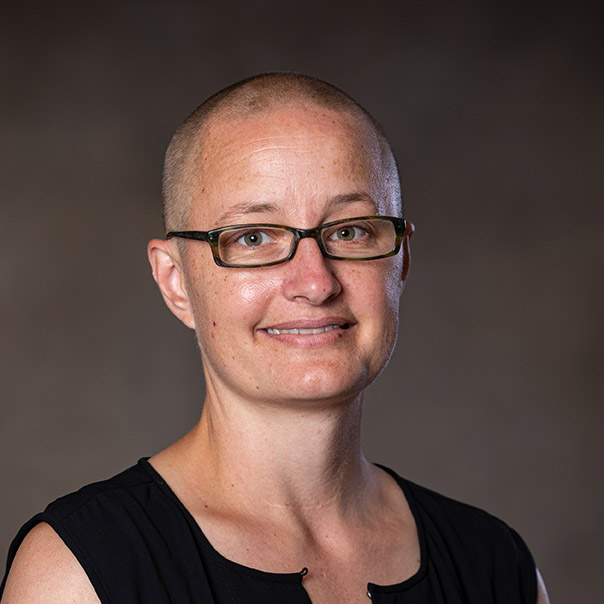
Sarah Voels, the director of Vogel Library and college librarian, gave some insight into what these bills could mean both for her and her colleagues.
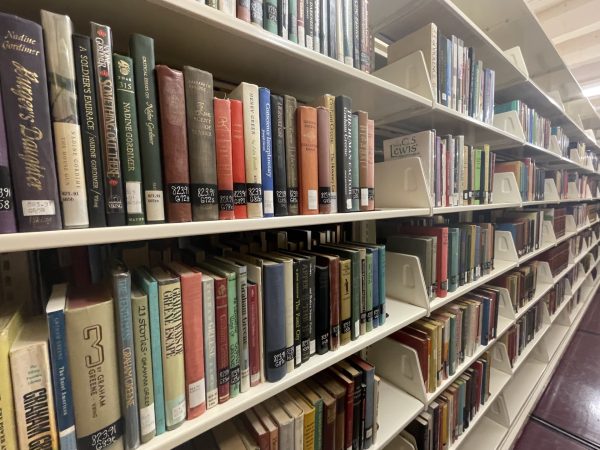
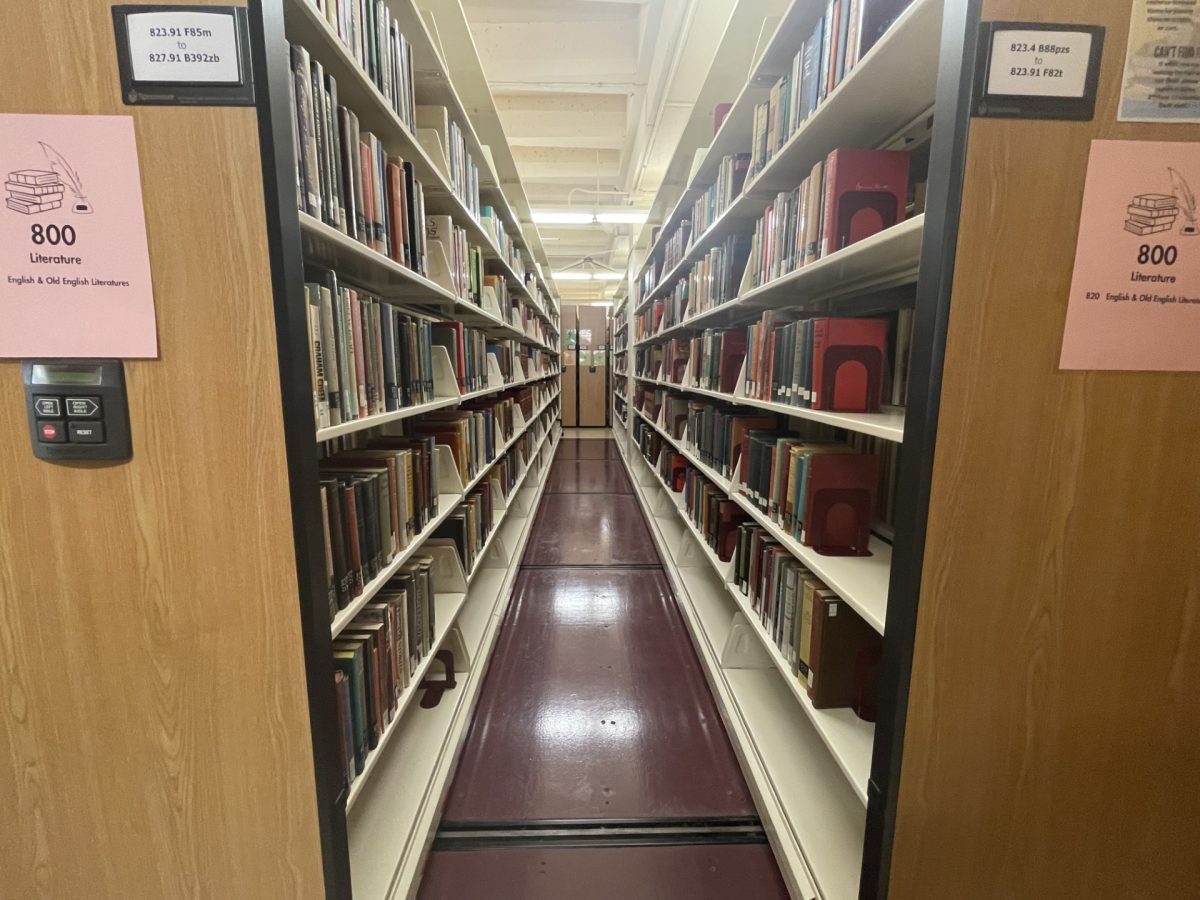
Vogel Library itself, while offering free access both physically and digitally to the community, is not directly affected by these bills due to being funded by a private college. However, Voels still sees these bills as a potential threat to her profession.
Voels explains that as a librarian, whenever bills are proposed that could affect any librarian and the way the public accesses information, she takes an interest in them. Though these bills do not target private institutions, Voels says that legislation has been focusing lately on school libraries and chipping away at their identities.
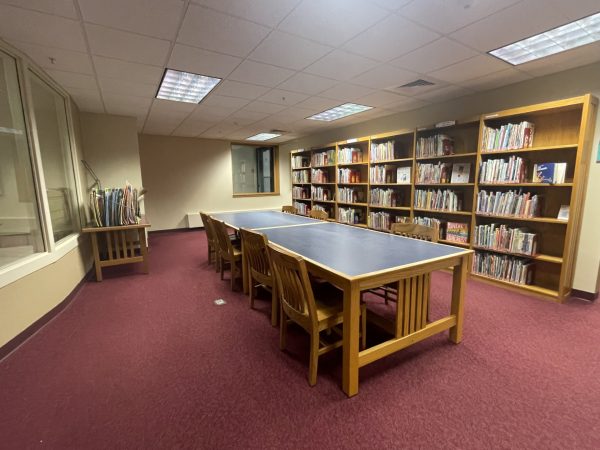
“As centers of information and great equalizers in our communities,” Voels says is the identity of libraries.
Voels has been participating in advocacy work for her fellow librarians by seeking out information and supporting her colleagues professionally.
Though Voels is glad that many of the bills did not make it through the first funnel, also known as passing through the house or senate, she is concerned about the bills mentioning minors’ access. She wonders if similar bills are added as amendments or reintroduced if it will affect those under 18 who are taking classes at Wartburg. This could mean that things such as placement of materials would need to be reconsidered.
Though the Vogel Library is not federally funded, if bills like these were passed, it could prevent the staff from seeking grants. It also means that, due to the community’s physical and online access, Voels would have to consult the legal team at Wartburg to comply fully with the law. However, she wishes to avoid self-censorship and wants to make sure that they only seek legal advice when and if those bills are passed.
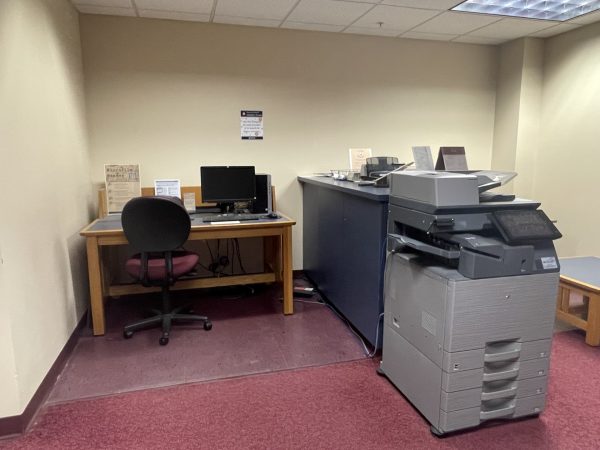
“I hope that this is not a battle that we ultimately have to face. I hope that strong advocacy work continues across the state and across institutions,” Voels acknowledges.
Voels recommends that students get involved by seeking out information. She believes that as a liberal arts institution, it is fitting that students grow their civil understanding through reading and exploring the bills proposed in Iowa.
“I think it is important for our students and our community to recognize how legislation could directly affect them even if they aren’t aware of it at first glance,” Voels explains.
She recommends the Iowa Legislature Website, which is easy to navigate and can give not only information on the content of the bills, but who is supporting them, where students can listen to public speakers about the bills and a place to post digital feedback.