











Starting on Feb. 18, roughly two billion Muslims worldwide will begin observing a month of fasting and worship that is expected to last until March 19 or 20. This is not certain as it changes every year according to the lunar calendar. Ramadan is observed in the ninth month of the Islamic calendar and is believed to be the time when the Holy Quran was sent to the Prophet Muhammed, according to the American Halal Foundation.
Fasting and worship are a large part of Ramadan. Those observing are expected to abstain from eating and drinking from dawn until sunset unless they are ill, pregnant, are too young or old or are traveling. It is expected that if one cannot fast during Ramadan, they make up for the same number of days later in the year or feed someone who is in need.
Along with fasting, Muslims read the Quran, have special evening prayers and complete acts of charity during Ramadan.
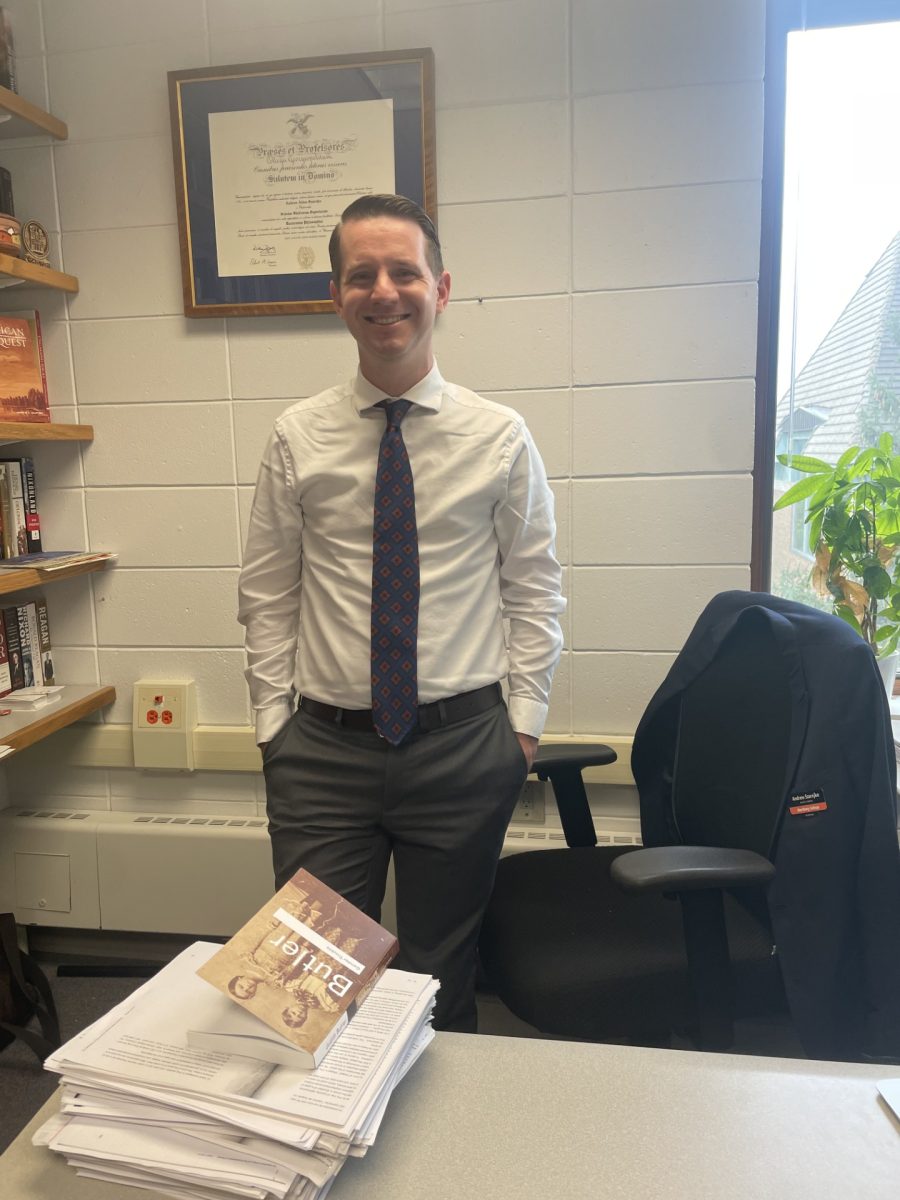
At Wartburg, the Muslim Student Association (MSA) is preparing for Ramadan by working with Chaplain Maggie Falenschek and dining services for food accommodations during the Holy Month.

Because Ramadan fasting lasts from dawn until sunset, Muslim students cannot use their normal meal plan. While extensions to dining hall hours will help for dinner up until daylight savings time, meals like breakfast will not be possible in the Mensa. Last year, each student was given a budget during this time to stock up on foods they might want to eat during the month, and MSA is planning on doing the same this year.
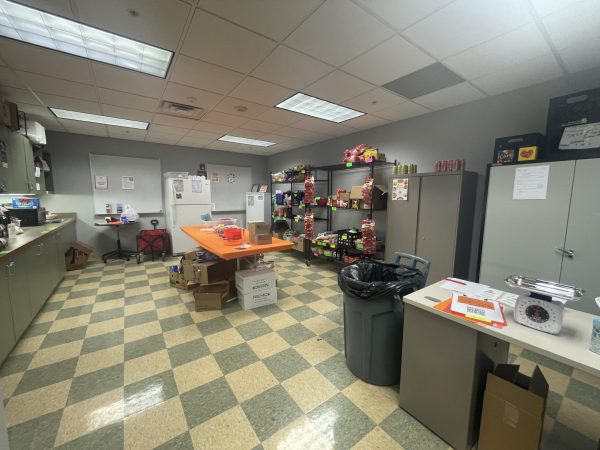
Co-Presidents of MSA Sameer Sarwar (class of 2026) and Leila Pilipovic (class of 2026) have also been sending out emails to members of MSA asking what foods they would like to have in the Wartburg Pantry. The group is also working with dining staff to get more Halal options into the Mensa. Halal refers to the types of foods that Islamic people are permitted to eat.
MSA is also considering worship options during this time. There are mosques in Waterloo that are a possibility for worship, and they are also considering a community-based event in the ballrooms, prayers and breaking the fast together.
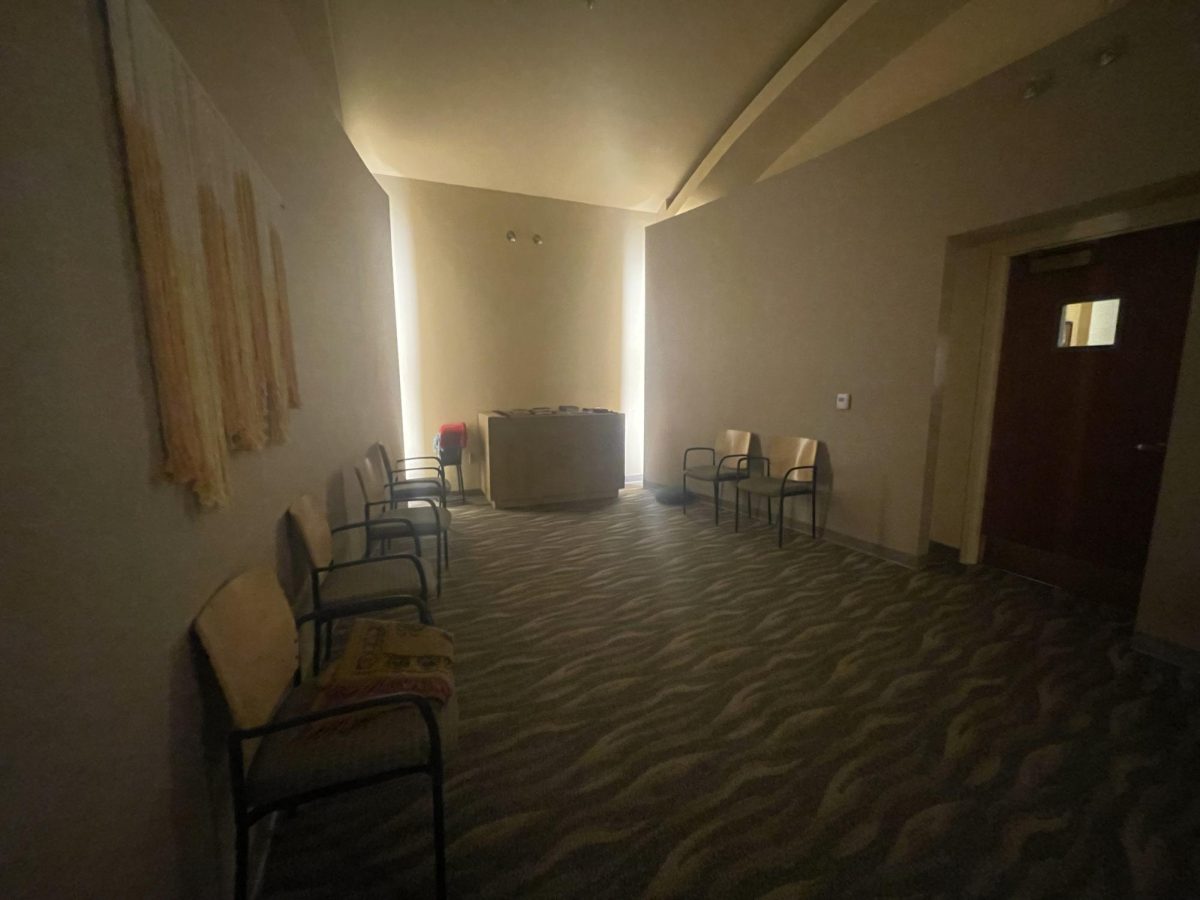
Sarwar says that MSA is a need-based group on campus. When Muslim students need accommodations, they reach out to staff who can help. For example, MSA helped to organize the prayer rooms by the Mensa and in the basement of the chapel.
“You can stay involved, it doesn’t mean you have to be Muslim to be involved,” Sarwar says.
He also notes that it is okay to reach out and ask questions if you are curious or do your own research, as long as it is from authentic sources.
Because you don’t have to be Muslim to be a part of MSA, you can contact Sarwar at [email protected] to sign up for the email group and learn more about the Islamic community.